What I Look For When Buying Investment Property in Rapid City
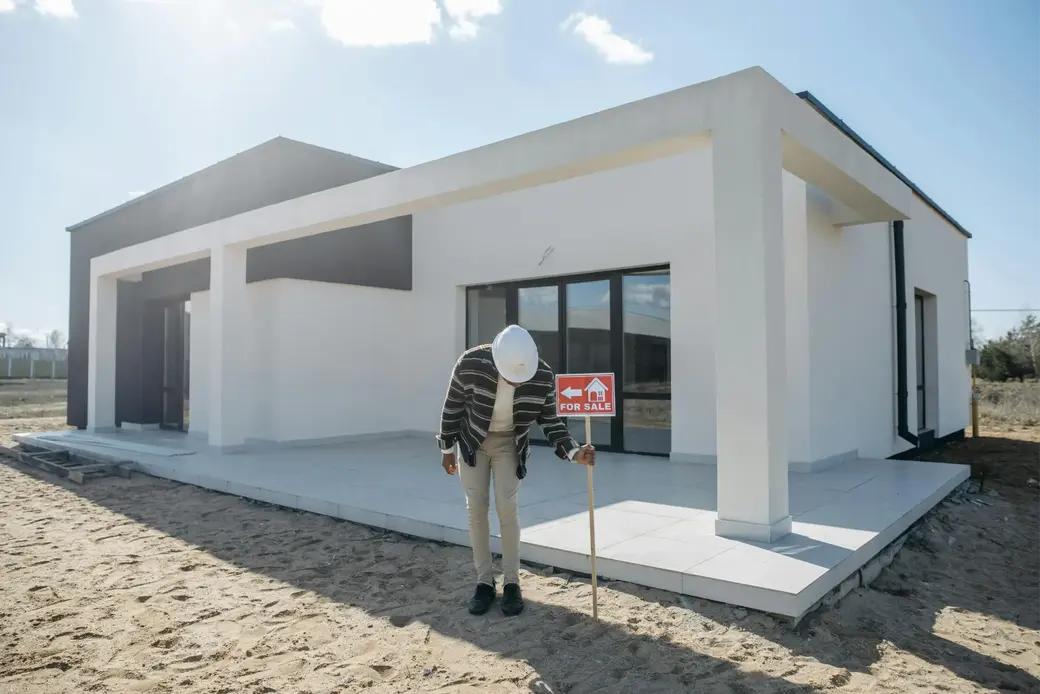
I am a real estate agent in Rapid City, and I also invest in real estate here myself. That second part matters, because it means the criteria I use when evaluating an investment property are not theoretical. They are the same criteria I apply when my money and my partners’ money is on the line. If a deal would not meet my own bar, I am not going to recommend it to an investor client as if it does. Here is exactly what I look at when I am evaluating a potential investment property in the Rapid City and Black Hills market.
Location within the market, not just the city
Rapid City is not one market. It is a collection of pockets that behave differently from each other, sometimes dramatically. My first filter is always location, and I mean specific location: which neighborhood, which arterial, which side of which divide.
Properties on the west side of Rapid City and in the foothills corridors have historically shown the strongest appreciation and the tightest vacancy. West Rapid, in particular, has seen home values rise over 14% in the past year. Properties in slower-moving northern and downtown pockets may offer better initial cash flow but slower long-term equity growth. Neither is automatically better. The right location depends entirely on what the investor's goal is: monthly cash flow, appreciation, or both.
I will never recommend a property purely on price without knowing the micro-location story behind it. A cheaper house in the wrong pocket is not always a deal. It can be a headache with a low purchase price.
Real rent-to-price ratio at current market rents
I run actual numbers, not projections from a landlord's fantasy. Current market rents in Rapid City vary significantly by property type, condition, and location, and I cross-check asking rents against what comparable properties are actually leasing for on the ground right now, not what they rented for in 2022.
The standard rule of thumb that investors use, aiming for 1% of purchase price in monthly rent, is extremely hard to hit in today's Rapid City market at most price points. But that does not mean strong cash flow is impossible here. It means you have to be selective, look harder, and sometimes be willing to do light work on a property to bring rents up to where the market will support them. I factor in realistic vacancy (I typically model 8-10% for Rapid City long-term rentals), realistic property management costs if the investor is not local, and maintenance reserves based on the age and condition of the structure.
Construction quality and deferred maintenance
This is where my construction background pays off. I grew up in construction. I know what to look for in a structure, and I look for it every single time I walk through a property, whether I am buying it myself or evaluating it for a client.
The Black Hills climate is punishing. Freeze-thaw cycles damage foundations. Heavy snow loads stress roofs. Wind and moisture get into exterior systems that have not been properly maintained. A property that looks clean and move-in ready in listing photos can have $20,000 to $40,000 in deferred maintenance hiding behind fresh paint and new flooring. I look at the roof age, the foundation, the HVAC system, the windows, the plumbing access points, and the exterior envelope before I ever talk about price.
Investors who skip or rush the inspection phase to win deals in competitive situations are playing a dangerous game in this market specifically. I have walked buyers back from deals that looked great on paper because what I saw in person told a different story.
Days on market and seller motivation
In the current Rapid City market, homes are sitting an average of 87 days before going under contract. That is up from 67 days last year. For investors, this shift in market tempo is meaningful. Sellers who listed optimistically and have been sitting without offers are increasingly motivated to negotiate. A property that has been on the market for 60 or 90 days represents a very different conversation than a freshly listed property.
I pay close attention to price history on any property I am evaluating. Has it been reduced once? Twice? Has it been on and off the market? Each of those signals tells me something about seller motivation and potential room to negotiate on price, on repairs, on closing costs, or on timeline. All of those variables affect the actual economics of the deal.
Exit options
Before I commit to any investment property, I think about how I get out if I need to. Can this property be sold easily to a retail buyer if the rental strategy does not work? Is there an owner-occupant market for this type of home in this neighborhood? Could it serve as a short-term rental if long-term tenants become difficult to find?
Properties with strong exit optionality, the kind that appeal to multiple buyer types, carry lower risk for investors because you are not locked into a single strategy. Single-family homes in established Rapid City neighborhoods tend to score well here. Highly specialized properties or homes in thin submarkets with limited buyer pools carry more risk, and that risk needs to be priced into the deal accordingly.
The honest bottom line
Good investment property in Rapid City and the Black Hills exists right now. The market conditions in 2026 are more favorable for disciplined buyers than they have been in several years. Homes are sitting longer, sellers are more open to negotiation, and investors who come in prepared with real numbers and local knowledge are finding deals that would have been impossible to put together in 2021.
But this is not a market where you can buy anything and win. You need to know your pocket, run honest numbers, inspect like your investment depends on it (because it does), and work with someone who will tell you when a deal is not as good as it looks, even if that means walking away.
That is how I buy. It is how I advise my clients to buy.
Want to talk through a specific property? Give me a call. I am in this market every day. Reach me at (605) 484-3184.
Frequently asked questions
What is a good cap rate for investment property in Rapid City SD?
Cap rates in Rapid City generally run between 5% and 7% for residential investment properties in the current market, depending on location and property type. Higher cap rates are possible on properties that need work or are in slower-moving neighborhoods, but those come with additional risk. Properties in high-demand west-side neighborhoods tend toward the lower end of that range with stronger appreciation potential as the tradeoff.
Is Rapid City a landlord-friendly market?
South Dakota is generally considered a landlord-friendly state with no rent control laws and a straightforward eviction process compared to many other states. For out-of-state investors, this is a meaningful advantage. Vacancy rates in Rapid City are relatively stable due to consistent demand from Ellsworth Air Force Base personnel, healthcare workers, university students in the region, and ongoing in-migration from other states.
Should I buy a single-family home or a multifamily property in Rapid City?
Both can work depending on your goals. Single-family homes in Rapid City are easier to finance, attract a broader buyer pool when you sell, and tend to attract longer-term tenants. Small multifamily properties (duplexes or triplexes) offer better cash flow per dollar invested but are harder to find in good condition at reasonable prices right now. I tend to favor single-family for first-time investors in this market because the exit options are more straightforward.
Categories
Recent Posts





GET MORE INFORMATION