First Time Home Buyer in Rapid City? Your Complete Timeline Guide
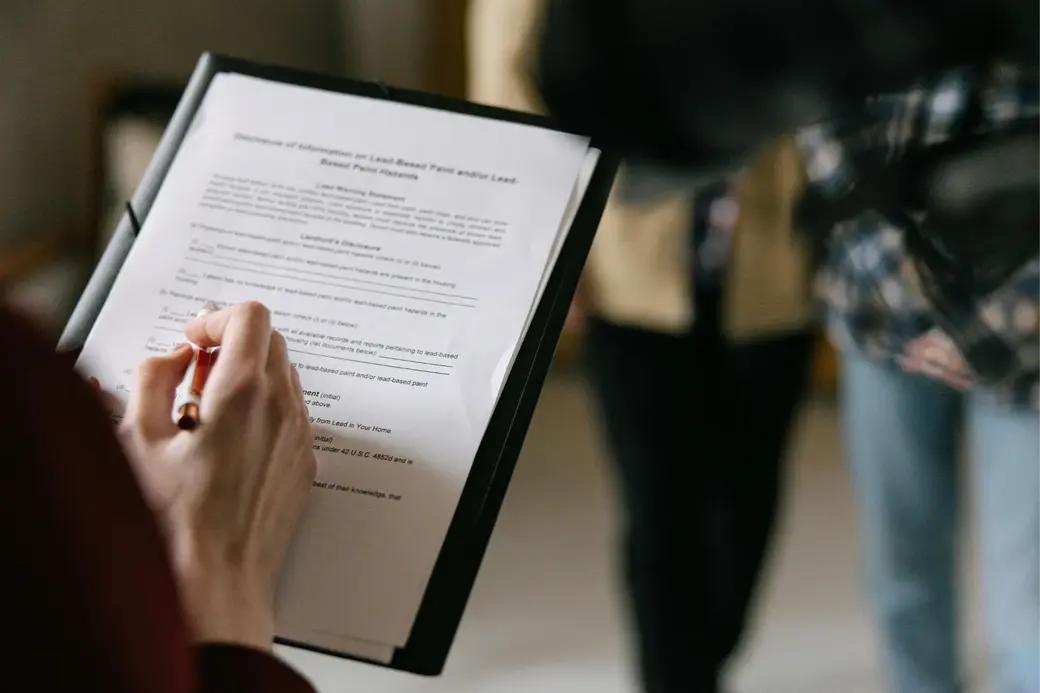
Buying your first home is one of the biggest decisions you'll ever make, and I get it. The process can feel confusing and overwhelming when you've never done it before. I've helped clients buy and sell homes across Rapid City and the Black Hills since I started in real estate in 2021, and many of them were first time buyers just like you.
Here's what most first time home buyers want to know right away: how long will this take, and what actually happens at each step?
The timeline for buying your first home in Rapid City typically ranges from 30 to 90 days from the time you start seriously looking to the day you get the keys. Some first time buyers move faster, others take more time to feel comfortable with their decisions. Both are completely normal.
Let me walk you through each phase of the home buying process so you know exactly what to expect and feel confident every step of the way.
Getting Ready Before You Start Looking
Getting Pre-Approved for Your Mortgage
Before you even look at your first house, getting pre-approved for a mortgage should be step one. I can't stress this enough. A pre-approval letter tells sellers you're a serious buyer with the financial backing to close the deal.
Last spring, I worked with a couple who fell in love with a home near Canyon Lake. They hadn't gotten pre-approved yet. They drove by the home and looked at it online but when I told them they need to get preapproved before we go take a look, they drug their feet.
By the time they got that letter and were ready to take a look, another buyer with financing already lined up had made an offer. It was heartbreaking for them because that was their dream home.
The pre-approval process typically takes a few days to a week. You'll need to provide your lender with pay stubs, tax returns, bank statements, and information about your debts. Once they review everything, they'll tell you how much you can borrow and what your interest rate will likely be.
In Rapid City, I work with several great local lenders who understand our market and can move quickly when needed. Having that pre-approval in hand before we start touring homes makes the entire process smoother.
Defining What You Actually Want
I always sit down with buyers before we start looking at properties to really nail down what they need versus what they want. This saves so much time and prevents us from looking at homes that won't work.
Think about your must-haves. How many bedrooms do you absolutely need? Do you need a two-car garage to protect your vehicles from our winters? Is being close to Ellsworth Air Force Base important for your commute? What about school districts if you have kids?
Then consider your nice-to-haves. Maybe you'd love a finished basement, a big backyard, or mountain views. These preferences help me narrow down the search, but they're flexible if the perfect home doesn't check every single box.
I had clients last year who thought they wanted a brand new build in Summerset. After looking at a few and discussing their actual lifestyle, we realized an established neighborhood in west Rapid City with a shorter commute fit them much better. They're thrilled with where they ended up.
Understanding the Current Market Conditions
Rapid City's real estate market has its own rhythm. Sometimes we see more buyers than available homes, which means competition and potentially faster timelines. Other times inventory is higher, giving buyers more negotiating power and time to decide.
Right now, understanding where we are in the market cycle helps set realistic expectations. I always give my clients a market snapshot showing current inventory levels, average days on market, and whether we're seeing multiple offers on properties.
This context matters because it affects how quickly you might need to make decisions and how aggressive your offer strategy should be.
The Active House Hunting Phase
Searching for Properties That Match Your Needs
Once we know what you're looking for and you're pre-approved, the fun part begins. I set you up with a customized search through our MLS system that automatically sends you new listings matching your criteria as soon as they hit the market.
We'll also schedule times to tour homes together.Some people find “The One” on their first walkthrough and sometimes you have to go through more to really find what you’re looking for. Looking at multiple homes gives you a better sense of value and helps you understand what's actually available in your price range.
The house hunting phase can take anywhere from a week to several months depending on your needs, how often new inventory comes on the market, and whether you're on a tight timeline. Some of my clients have found their perfect home in the first weekend of looking. Others have taken three or four months to find the right fit.
Touring Homes in Person
I always encourage buyers to tour homes in person rather than relying solely on photos. Pictures can be deceiving, and there's no substitute for walking through a space, feeling the flow of the rooms, and getting a sense of the neighborhood.
When we tour together, I point out things you might not notice. Is that crack in the foundation something to worry about? How old is the roof? What about the HVAC system? My background growing up here and working in real estate means I can spot potential issues and help you understand what you're looking at.
I also encourage buyers to drive through neighborhoods at different times of day. Visit on a weeknight evening, a Saturday morning, a Sunday afternoon. You want to get a feel for traffic, noise levels, and the overall vibe of the area where you might be living.
How Long This Phase Actually Takes
For most buyers in Rapid City, the active searching phase lasts between two weeks and two months. It really depends on your flexibility, how competitive the market is, and how many homes are available in your price range and preferred areas.
If you're looking in popular neighborhoods like the west side against The Hills or near certain schools, and your budget is in a competitive range, you might find something quickly. If you have very specific requirements or you're looking in a price range with limited inventory, it could take longer.
The key is staying patient but ready to move when the right property comes along.
Making an Offer and Negotiating
Crafting a Competitive Offer
When you find a home you want, we sit down and put together an offer. This isn't just about the price. We also negotiate things like the closing date, what personal property stays with the home, inspection contingencies, and appraisal contingencies.
In Rapid City's market, I help buyers understand what makes an offer competitive. Sometimes it's offering asking price or slightly above. Sometimes it's being flexible on the closing timeline to accommodate the seller's needs. Sometimes it's limiting contingencies if you're comfortable doing so.
A few months ago, I worked with buyers on a home in Deadwood where there were multiple offers. We came in at asking price but offered a quick close and were flexible on the move-out date. The sellers chose our offer over a slightly higher one because our terms worked better for their situation.
The Back and Forth of Negotiations
Once you submit an offer, the seller has a few options. They can accept it outright, which is great. They can reject it, which happens but isn't common if your offer is reasonable. Or they can counter your offer with different terms.
Negotiations can take anywhere from a few hours to several days. I've had sellers accept offers within an hour of receiving them. I've also had negotiations go back and forth over three or four days as we work through price, repairs, and terms.
The key during this phase is staying calm and remembering that negotiation is normal. Most deals involve at least some back and forth before everyone agrees on final terms.
Getting to a Signed Purchase Agreement
Once both parties agree on all terms, we have a signed purchase agreement. This is a legally binding contract that spells out everything: the price, the closing date, what stays and what goes, all the contingencies, and every detail of the transaction.
From the time you make your initial offer to getting a signed agreement typically takes one to five days in Rapid City, though I've seen it happen in a few hours when sellers are motivated and offers are strong.
With a signed purchase agreement in hand, you're officially under contract. Now the clock starts ticking on the rest of the process.
The Inspection and Due Diligence Period
Scheduling and Completing the Home Inspection
Within a few days of going under contract, you'll want to schedule a professional home inspection. This is your opportunity to have an expert look at every major system and component of the house to identify any issues.
I always recommend getting a full inspection even on new homes. I've seen brand new construction with issues that needed addressing. The inspection typically costs between $300 and $500 in Rapid City depending on the size and age of the home, and it's money well spent.
The inspector will look at the roof, foundation, electrical, plumbing, HVAC, appliances, windows, doors, and everything else. They'll provide you with a detailed report usually within 24 to 48 hours after the inspection.
Reviewing the Inspection Report
Once you get the inspection report, we'll go through it together. Not every little thing in the report is a deal breaker. Homes, especially older ones, always have some minor issues. What we're looking for are major concerns that affect safety, functionality, or value.
The inspector and I help my buyers understand what's normal wear and tear versus what's a legitimate concern. A roof that needs replacing in the next year or two is a big deal. A loose doorknob is not.
Requesting Repairs or Credits
Based on the inspection findings, you have options. You can ask the seller to make certain repairs before closing. You can request a credit at closing to handle repairs yourself. Or you can accept the home as-is if everything looks good or the issues are minor.
This negotiation phase typically happens within a few days of the inspection. Sellers usually want to keep the deal moving, so most are willing to address legitimate concerns, especially major mechanical or structural issues.
I've had sellers completely replace heating systems before closing, I’ve had roofs replaced and siding fixed, I’ve gotten sewer lines replaced. I've negotiated thousands of dollars in credits. And I've had deals where the inspection came back clean and we moved forward without any repair requests.
Additional Inspections You Might Need
Depending on the property, you might want additional specialized inspections. Radon testing is common in our area. If the home has a well and septic system, you'll want those inspected. Older homes might warrant a pest inspection or a structural engineer's review.
In this area, I always suggest a sewer scope. It’s cheap insurance that can save you tens of thousands of dollars if it were to break or backup.
These additional inspections add a few days to your timeline but provide valuable peace of mind. The entire inspection and due diligence period typically wraps up within 10 to 14 days from when you went under contract.
Finalizing Your Financing
The Appraisal Process
Your lender will order an appraisal to make sure the home is worth what you're paying for it. An appraiser will visit the property, measure it, take photos, and compare it to recently sold homes in the area.
The appraisal usually happens within a few weeks of going under contract. If the appraisal comes in at or above your purchase price, you're good to go. If it comes in low, we need to renegotiate with the seller, bring more cash to closing, or sometimes walk away from the deal.
In the current Rapid City market, most appraisals come in at purchase price, especially if we priced the offer competitively based on comparable sales. I've only had a handful of appraisal issues over the years, and we've always worked through them.
The Underwriting Process
While the appraisal is happening, your lender's underwriting team is reviewing all your financial information in detail. They're verifying your employment, checking your credit, reviewing your bank statements, and making sure everything adds up.
This is not the time to make major financial changes. Don't buy a car, go get furniture on credit, open new credit cards, or make large purchases. Any changes to your financial situation can cause problems with your loan approval.
The underwriting process typically takes two to three weeks. Your lender might request additional documentation during this time. Respond quickly to any requests to keep things moving smoothly.
Getting Your Clear to Close
Once underwriting is satisfied and the appraisal is complete, you'll receive what's called a "clear to close." This means your loan is approved and you can schedule your closing date.
Getting to close usually happens about a week before your scheduled closing. It's a relief when this happens because it means you're almost done with the process.
The Final Steps Before Closing
The Final Walk Through
A day or two before closing, we'll do a final walk through of the property. This is your chance to make sure any agreed-upon repairs were completed, the home is in the same condition as when you went under contract, and all the agreed-upon items are still there.
The final walk through usually takes 30 to 45 minutes. We're not doing another full inspection, just verifying that everything is as it should be.
I like to think of this as your chance to make sure nobody stole the sink or broke the toilets.
I've caught issues during final walk throughs that needed addressing before we could close. A couple of times, sellers had removed items that were supposed to stay. We resolved it before closing, but that's why this step is important.
Reviewing Your Closing Disclosure
At least three days before closing, you'll receive your closing disclosure. This document spells out all the final numbers: your loan amount, interest rate, monthly payment, closing costs, and every fee associated with the transaction.
Review this carefully. Make sure the numbers match what you expected. If you have questions about any charges, ask me or your lender immediately. You have the right to understand every line item.
Transferring Utilities and Getting Insurance
Before closing, you'll need to set up homeowners insurance and arrange to transfer utilities into your name. Your lender requires proof of insurance before they'll fund your loan.
I provide my buyers with a checklist of local utility companies and services they need to contact. Getting this done a few days before closing prevents any gaps in service when you move in.
Closing Day
What Happens at the Closing Table
Closing day is when everything becomes official. You'll meet with a closing agent, usually at a title company here in Rapid City (or Sturgis, Spearfish, Custer or Hot Springs if you’re buying in The Black Hills). Usually, the seller’s and the buyer’s close separately.
You'll sign a lot of paperwork. The closing agent will walk you through each document, explaining what you're signing. Don't feel rushed. Take your time and ask questions if anything is unclear.
You'll also wire or bring a cashier's check for your down payment and closing costs. Personal checks usually aren't accepted for amounts this large.
How Long Closing Takes
The actual closing appointment typically takes 45 minutes to an hour and a half. It's not as exciting as you might think, honestly. It's mostly just signing document after document. But at the end, you get the keys to your new home, which makes it all worthwhile.
Getting Your Keys
Once all the documents are signed and the transaction is recorded, the home is officially yours. The closing agent or your realtor will hand over the keys, garage door openers, and any other access items.
I always love this moment. I've helped a lot of families and individuals achieve homeownership here in the Black Hills, and handing over those keys never gets old.
The Complete Timeline Summary
So what does the complete timeline look like for buying a home in Rapid City? Here's the typical breakdown:
Pre-approval and preparation: 1 to 2 weeks
House hunting: 2 to 8 weeks
Offer and negotiation: 1 to 5 days
Under contract to closing: 30 to 45 days
Total time from starting your search to closing day: 6 to 12 weeks for most buyers
Of course, every situation is different. If you're paying cash, the timeline can be much shorter since there's no financing involved. If you're in a competitive market and find your home quickly, you might move faster. If you're very particular or the market has limited inventory, it might take longer.
Tips for Staying on Schedule
Stay Responsive Throughout the Process
The biggest factor in keeping your timeline on track is responsiveness. When your lender asks for documents, provide them immediately. When inspectors need access, make yourself available. When your realtor needs decisions, don't delay.
I've seen deals get delayed simply because buyers were slow to respond to requests. Everyone involved in your transaction is working on multiple deals at once. The faster you respond, the faster things move.
Keep Your Finances Stable
Between going under contract and closing, maintain the financial status quo. Don't change jobs, make large purchases, or do anything that could affect your loan approval. Lenders verify your employment and financial situation right before closing, and any changes can cause major problems.
Communicate with Your Realtor
Stay in regular contact with me throughout the process. If you have concerns, questions, or anything comes up, let me know immediately. Small issues are easy to handle if caught early. They become bigger problems if ignored.
I make myself available to my clients throughout the entire buying process. I've answered questions at 9 PM, on weekends, and whenever clients needed guidance. That's part of my job, and I'm happy to do it.
What Can Speed Things Up
If you want to move through the process faster, there are a few things that help. Being pre-approved before you start looking saves time. Responding quickly to all requests keeps momentum. Being flexible on closing dates can sometimes move things along. And working with experienced professionals who know the local market makes everything smoother.
Cash purchases obviously move much faster since there's no financing involved. I've closed cash deals in as little as 10 days when both parties were motivated and responsive.
What Can Slow Things Down
Several things can extend your timeline. Financing issues are the most common culprit. If your lender is slow, understaffed, or runs into complications with your loan, it delays everything. Major inspection issues that require extensive negotiation can add time. Title problems occasionally pop up and need resolution. And if sellers aren't responsive or cooperative, that can slow things down too.
Winter weather sometimes affects timelines here in the Black Hills. Inspectors might need to reschedule if there's a blizzard. Appraisers might take longer to get to properties after a big snow. It's not common, but it happens.
Working with the Right Team Matters
Having an experienced realtor, a responsive lender, and a good title company makes a huge difference in your timeline and overall experience. I've been working in Rapid City real estate since 2021, and I've built relationships with professionals throughout the area who I trust to take care of my clients.
When you work with me, you're not just getting help finding a house. You're getting guidance through the entire process, connections to trusted professionals, and someone who will advocate for you at every step.
I've helped first-time buyers who were nervous about the process. I've helped families relocating to Rapid City from across the country. I've helped investors looking for rental properties. Every situation is unique, but the process follows a similar timeline.
Ready to Start Your Home Buying Journey?
If you're thinking about buying a home in Rapid City or anywhere in the Black Hills, I'd love to help you through the process. We can sit down, talk about your goals and timeline, and create a plan that works for your situation.
The timeline I've outlined here is typical, but your experience will be unique to you. Some buyers move faster, some take more time. Either way, having someone guide you who knows the local market and understands the process makes everything easier.
Feel free to reach out anytime. I'm always happy to answer questions, even if you're just starting to think about buying and aren't ready to jump in yet. Understanding what to expect is the first step toward making your home ownership goals a reality here in the Black Hills.
Categories
Recent Posts






GET MORE INFORMATION