South Dakota Has No State Income Tax — Here's What That Means for Home Buyers
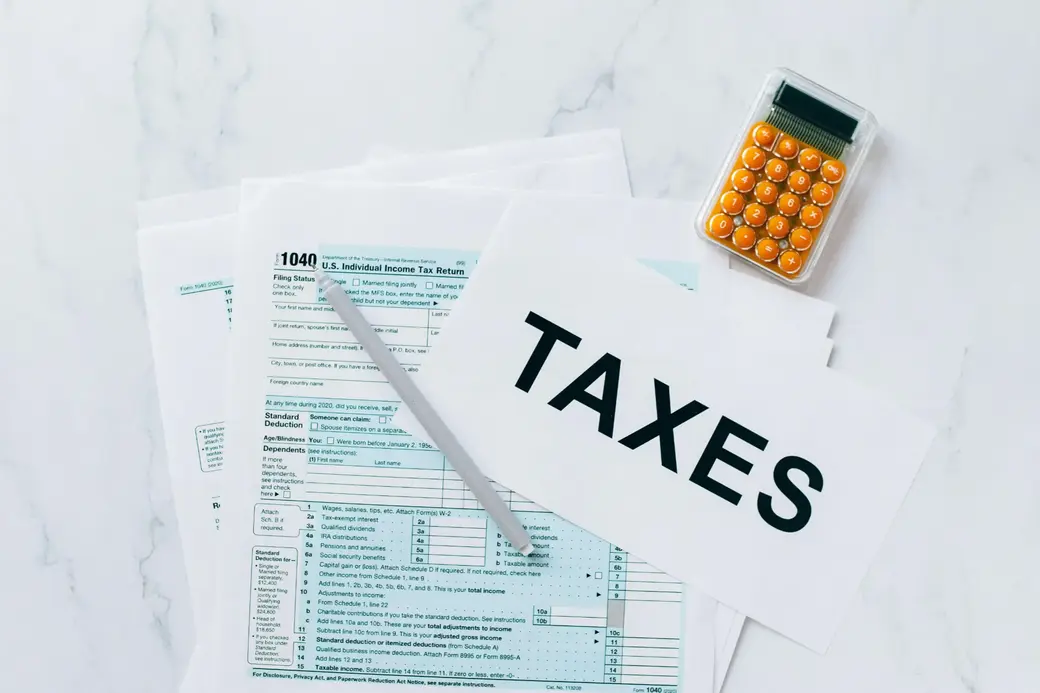
Hey, Ryan Hall here. One of the first things I tell people who are relocating to Rapid City is this: South Dakota has zero state income tax. Not a low income tax. Zero.
Most people already know this by the time they call me, but what they don't fully understand is how dramatically that changes the math on buying a home here. It's not just a nice perk — it can add up to thousands of dollars a year that stay in your pocket. And when you're buying a home and budgeting for a mortgage, that matters.
Let me break it all down for you.
First, Let's Confirm What "No State Income Tax" Actually Means
According to TurboTax and South Dakota's Department of Revenue, the state does not impose a personal income tax on individuals. That means:
- Your wages and salary are not taxed at the state level
- Your Social Security income is not taxed at the state level
- Your 401(k) and IRA distributions are not taxed at the state level
- Your investment and dividend income is not taxed at the state level
- There is no state capital gains tax on the sale of your home
You still pay federal income taxes. But the state takes nothing on top of that.
Quick comparison: Someone earning $80,000/year moving from California (top marginal rate: 13.3%) to South Dakota could save over $6,000 per year in state income taxes alone. Someone coming from Minnesota (9.85%) or Oregon (9.9%) sees similar savings.
How This Directly Affects Your Home-Buying Budget
Here's where people's eyes light up when I walk them through the numbers.
When you're getting pre-approved for a mortgage, lenders look at your gross monthly income. But the number that actually matters to you, the number that determines whether your mortgage payment feels comfortable, is your take-home pay. And in South Dakota, your take-home is higher than it would be in most other states for the same salary.
Let's say you're earning $90,000 a year and moving from a state with a 5% income tax. That's $4,500 a year, or about $375 a month, that you were sending to your old state government. In South Dakota, that $375 stays with you. On a 30-year mortgage at 6.5%, that extra $375 per month is the equivalent of qualifying for about $60,000 more in home value.
Put another way: your money goes further here before you even look at home prices.
South Dakota vs. Neighboring States: The Tax Picture
|
State |
State Income Tax Rate |
Est. Annual Tax on $80K Income |
|
South Dakota |
0% |
$0 |
|
Minnesota |
Up to 9.85% |
~$5,500–$7,000 |
|
Colorado |
4.4% |
~$3,200 |
|
Nebraska |
Up to 5.84% |
~$3,800 |
|
Iowa |
Up to 6% |
~$4,000 |
|
Montana |
Up to 6.75% |
~$4,500 |
Estimates based on approximate effective rates for middle-income earners. Consult a tax advisor for your specific situation.
What About Property Taxes?
This is the one thing I always make sure buyers understand. South Dakota has no state income tax, but it does have property taxes — and they're administered at the county level.
According to South Dakota's 2025 tax guide, the average effective property tax rate statewide is about 1.01% of assessed value which is slightly above the national average of 0.99%. In Pennington County (where Rapid City sits), the rate is in a similar range.
On a $350,000 home, you're looking at roughly $3,500 per year in property taxes, or about $292 per month added to your mortgage payment. That's not nothing, but it's also not extreme, especially when you're paying zero state income tax.
There's also a nice bonus for seniors: South Dakota offers a homestead exemption for homeowners age 70 or older that lets you defer property tax payments until the home is sold. If you're buying here as a retiree, that's worth looking into.
What About Sales Tax?
South Dakota does have a sales tax. The state rate is 4.2%, and local municipalities can add up to 2% on top of that, putting most buyers in Rapid City at around 6% combined. That's toward the lower end nationally.
Worth noting: South Dakota's sales tax applies to groceries and clothing, which is different from some states. So you will pay sales tax on your weekly grocery run. It's a trade-off, but for most households the income tax savings far outpace the sales tax costs…unless you eat like me haha
No Estate Tax Either
If you're thinking about buying in South Dakota not just as a place to live but as part of a longer-term wealth or estate plan, this also makes a big difference. South Dakota has no state estate tax and no inheritance tax. Whatever you build here stays with your family when you pass it on, without a state tax bill attached.
That's a real financial advantage that a lot of buyers don't think about until later and it’s one of the reasons South Dakota has become a popular destination for people who are serious about long-term financial planning.
A Real Example From a Recent Client
I recently worked with a couple relocating from Colorado. Both were still working remotely, earning a combined income in the low six figures. When they ran the numbers with their accountant, the move from Colorado's 4.4% income tax rate to South Dakota's zero meant they'd keep an extra $5,000 to $6,000 per year.
They used that savings to justify stretching slightly higher on their home budget and they ended up in a newer build in Rapid Valley with a great yard and a school district they liked, at a price that still felt comfortable. The tax situation made a home they weren't sure they could afford actually work.
That's not a unique story. I hear versions of it regularly.
The Bottom Line for Home Buyers
South Dakota's no-income-tax status isn't just a talking point. It has real, calculable effects on what you can afford, what your monthly budget looks like, and how far your money goes over time. Combined with Rapid City's below-average home prices and cost of living, it makes for a financial picture that's genuinely hard to beat in the Mountain West region.
If you're relocating from a high-tax state and thinking seriously about buying in the Black Hills, I'd encourage you to run the numbers with a tax advisor and a local lender before you dismiss it as "too far" or "too small." A lot of people are surprised by what they find.
Thinking About Buying in Rapid City?
I'd love to show you what your budget actually gets you here. Whether you're relocating, investing, or buying your first home, reach out and let's have a real conversation about the numbers.
Visit callryanhall.com or call me directly at (605) 484-3184.
FAQ
Do I pay capital gains tax when I sell my home in South Dakota?
There is no state capital gains tax in South Dakota. You may still owe federal capital gains tax depending on your profit and how long you owned the home. The federal exclusion allows up to $250,000 in gains ($500,000 for married couples) on a primary residence to be excluded if you've lived there for at least two of the last five years. Talk to a tax advisor about your specific situation.
Does South Dakota's no-income-tax status apply to remote workers?
Yes. If you establish South Dakota as your primary domicile and live and work here, you are not subject to state income tax on your earnings, even if your employer is based in another state. You'll want to make sure you properly establish domicile and consult a tax professional, especially if you're transitioning from a high-tax state that may try to claim residency.
Is Rapid City a good place to buy a home right now?
In my honest opinion, yes. The market is active but not as frenzied as it was in 2021 and 2022. Inventory has improved, interest rates have moderated, and the combination of no state income tax, below-average home prices, and strong quality of life makes Rapid City one of the more underrated markets in the country right now.
Categories
Recent Posts







GET MORE INFORMATION